


An automatic pool cleaner that suddenly stops moving, fails to pick up debris, or gets stuck repeatedly can turn a relaxing pool day into a frustrating experience.
Fortunately, most issues have simple, inexpensive solutions that do not require a professional technician.
By following a systematic approach, you can diagnose the root cause and restore your cleaner to full performance quickly.
The first step is to understand which type of cleaner you own.
Suction-side cleaners connect to the skimmer or a dedicated suction line and rely on the pool pump’s power.
Pressure-side cleaners use water pressure from a return line or a separate booster pump to propel themselves.
Robotic cleaners are self-contained units with their own motors, filters, and power supply.
Each type has distinct failure points, but many troubleshooting steps overlap, especially when it comes to clogs, worn parts, and power issues.
General Troubleshooting Steps
Before diving into type-specific fixes, always start with the simplest checks.
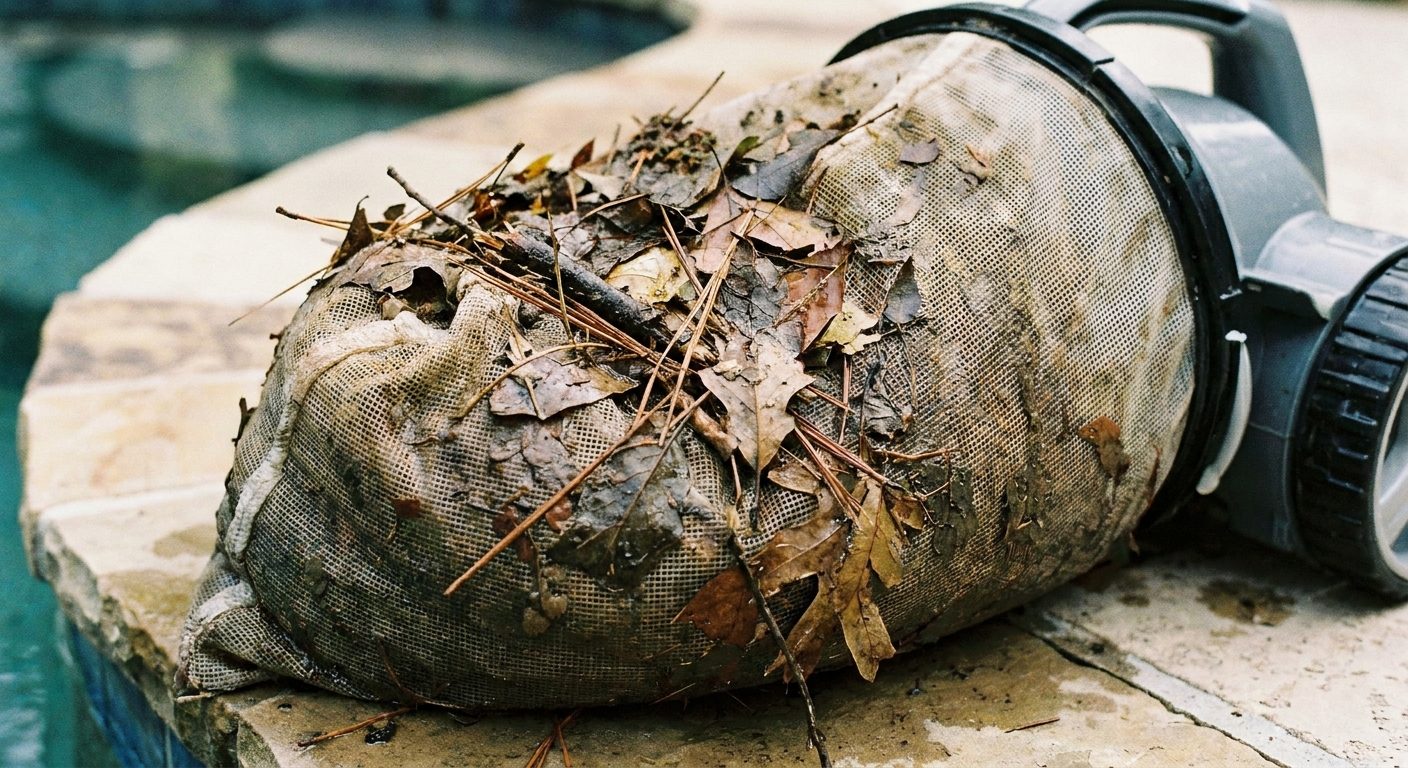
A full filter bag or cartridge is the single most common cause of poor performance.
If the cleaner is not moving or not picking up debris, turn off the unit and inspect the filter. Rinse it thoroughly and reinstall.
Next, verify that the pump (for suction and pressure models) is running at full speed and that the water level in the pool is at least halfway up the skimmer opening. Low water levels reduce flow and prevent proper operation.
Examine all hoses and cables for kinks, cracks, or tangles.
A kinked hose restricts water flow; a damaged power cord can cause intermittent operation.
Straighten the hose or cable and let it sit in the sun for a few hours to soften any memory coils.
Also check the swivel connections to ensure they rotate freely – a stuck swivel often leads to tangling and poor movement.
Suction-Side Cleaner Issues and Fixes
If a suction-side cleaner refuses to move, the most likely culprit is air in the hose or a weak pump.
Check that the pump basket and skimmer baskets are clean.
Then submerge the entire hose underwater before connecting it to the skimmer to expel trapped air.
Listen for sucking sounds at the skimmer opening to confirm strong suction.
A worn or torn diaphragm inside the cleaner head can also stop movement. These rubber parts are inexpensive and easy to replace.
When the cleaner only moves in circles or gets stuck on steps, the flow regulator valve may need adjustment.
Turn the valve so the cleaner moves at a steady pace – about six to eight feet per minute.
If it moves too fast, it skids and fails to climb; too slow, and it cannot cover the entire pool.
Also check for debris wrapped around the wheels or bearings – hair, string, and small objects love to jam these parts.
Pressure-Side Cleaner Issues and Fixes
Pressure-side cleaners often slow down or behave erratically when the inline filter screen is clogged.
This small screen sits at the wall fitting where the hose connects. Remove it and rinse out any sand or grit.
Next, inspect the backup valve – a small device that reverses the cleaner every few minutes to prevent it from sticking in one spot.
If the valve is stuck, the cleaner may spin endlessly. Clean or replace it if necessary.
Wheels that will not turn usually indicate debris lodged in the bearings.
Pop the wheels off (most can be removed with a screwdriver or by hand) and clean out pebbles and sand.
While the wheels are off, check the drive belts for wear.
A stretched or cracked belt will slip and prevent smooth movement.
For models that use a bag, ensure the bag is not torn and that the venturi jets are clear of debris. Use a thin wire to unclog each jet opening.
Robotic Cleaner Issues and Fixes
Robotic cleaners are more complex, but many problems still start with the filter. A full or torn filter cartridge reduces suction drastically.
Empty and rinse the filter after every cycle, and replace it if tears appear.
If the cleaner powers on but does not move, check the drive tracks or wheels for obstructions.
Flip the unit over and remove any hair, string, or small debris wrapped around the axles.
Also inspect the power cable for cuts, especially where it passes over the pool edge. A damaged cable can cause intermittent power loss.
When a robotic cleaner climbs walls but keeps falling off, the scrubbing brushes are likely worn flat.
Brushes lose their grip over time and need replacement roughly every 12 to 18 months depending on usage.
The same symptom can occur if the drive tracks are stretched or cracked.
Loose tracks fail to get a proper grip on vertical surfaces.
How to Fix Tangled Cables and Poor Navigation
One of the most frustrating issues is a robotic cleaner that constantly tangles its own cable.
This usually happens because the cable has developed a “memory” from being stored tightly coiled.
To fix it, uncoil the entire cable and lay it flat in direct sunlight for two to three hours. The heat relaxes the plastic and removes kinks.
Use floating cable clips to keep the middle of the cable on the water surface, preventing it from sinking and entangling the cleaner.
If the cleaner misses large areas of the pool, the navigation sensors or internal gyroscope may be confused.
Perform a hard reset by unplugging the power supply for at least two minutes, then restart the cleaning cycle.
Place the cleaner in the center of the pool with the cable fully untangled.
Observe whether it follows a logical pattern; erratic movement often points to dirty sensors on the underside. Wipe these sensors clean with a soft cloth.
For more advanced guidance on diagnosing stubborn problems, refer to a comprehensive pool cleaner troubleshooting guide that covers all cleaner types and provides step-by-step fixes for each symptom.
Preventive Maintenance Tips
A little regular care can prevent most breakdowns.
Rinse the cleaner with fresh water after every few uses to remove pool chemicals and debris.
Empty filter bags or cartridges immediately after each cleaning cycle – leaving debris inside encourages mold and reduces performance.
Lubricate o-rings and seals twice per season with silicone lubricant to prevent air leaks and water ingress.
Store robotic cleaners out of direct sunlight and in a shaded area to protect cables and plastic components from UV damage.
Check hose and cable condition monthly. Replace any cracked sections promptly.
For suction and pressure models, verify that the pool pump is running at optimal flow and that the main filter (cartridge, sand, or DE) is clean.
A dirty main filter reduces overall system flow and directly impacts cleaner performance.
By staying proactive, you can keep your automatic pool cleaner running reliably for many seasons.
