


Introduction
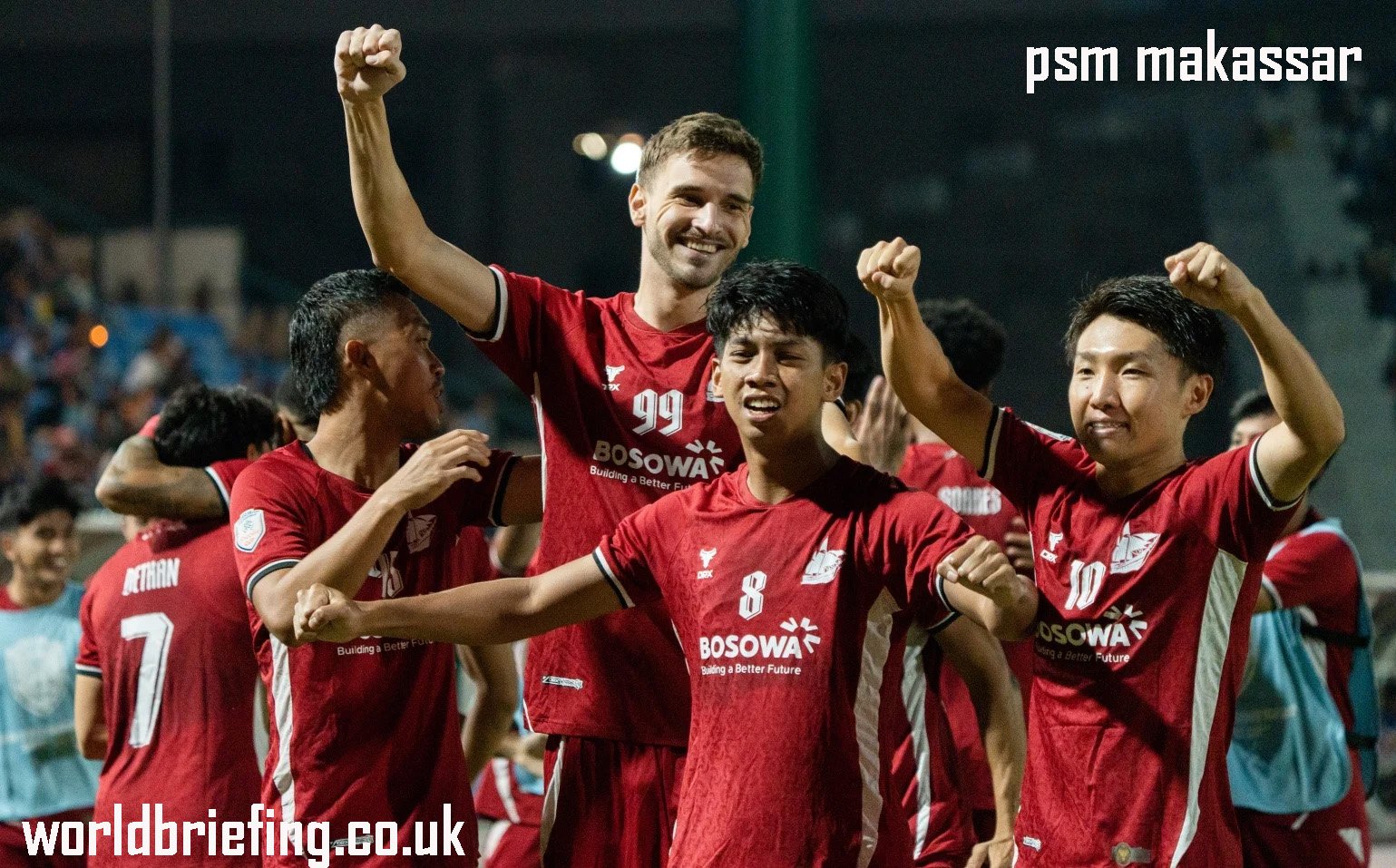
PSM Makassar is one of the most historic and respected football clubs in Indonesia. Known for its passionate fanbase, rich tradition, and competitive spirit, the club has played a major role in shaping Indonesian football for more than a century. Based in the vibrant city of Makassar, the team represents not only the city but also the cultural pride of the wider region of South Sulawesi.
Throughout its long history, PSM Makassar has built a reputation for resilience, tactical discipline, and the development of talented players. The club has competed in Indonesia’s top football competitions and has produced several memorable achievements, including domestic titles and strong performances in continental tournaments.
This article explores the club’s history, identity, achievements, legendary players, fan culture, stadiums, and its role in the development of football in Indonesia.
The Origins of PSM Makassar
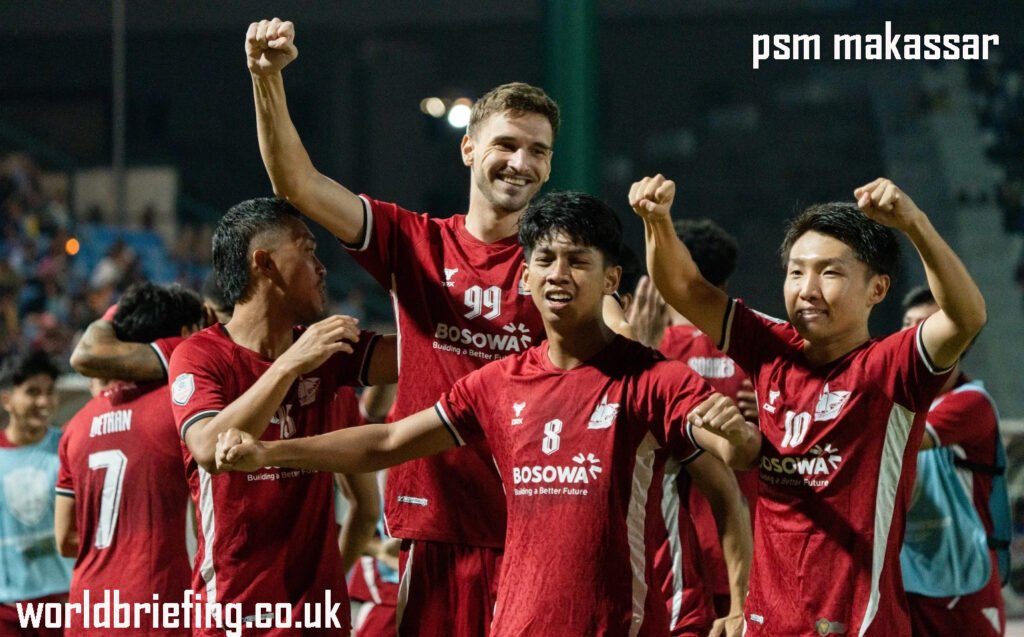
The roots of PSM Makassar date back to 1915, making it one of the oldest football clubs in Southeast Asia. Originally known as Makassar Voetbal Bond (MVB) during the Dutch colonial era, the organization was established by local football enthusiasts who wanted to promote the sport in the region.
During the early years, football served as a unifying activity among the local community. As the sport gained popularity, the club gradually evolved and eventually adopted the name PSM Makassar, which stands for Persatuan Sepakbola Makassar (Makassar Football Association).
After Indonesia gained independence in 1945, the club became an important representative of the city in national football competitions organized by Football Association of Indonesia.
Rise to National Prominence
In the decades following independence, PSM Makassar quickly established itself as a competitive force in Indonesian football. During the 1950s and 1960s, the club enjoyed one of its most successful eras.
The Golden Era
The golden era of PSM Makassar occurred in the mid-20th century when the team consistently competed at the highest level of Indonesian football. During this time, they won several national championships and became known for their disciplined playing style.
A key figure during this period was the legendary coach and player Ramang. Ramang is widely regarded as one of the greatest footballers in Indonesian history. His skill, leadership, and goal-scoring ability helped elevate the club to national prominence.
Ramang’s influence extended beyond the club level. He also played an important role for the Indonesia national football team and helped popularize football across the country.
Identity and Club Philosophy
One of the defining features of PSM Makassar is its strong sense of identity. The club is deeply connected to the culture and traditions of Makassar and the Bugis-Makassar people.
The Nickname “Juku Eja”
The team is popularly known as “Juku Eja,” which translates to The Red Fish. This nickname reflects both the club’s red colors and the maritime culture of the Makassar region.
The sea has historically been central to the lives of people in South Sulawesi, and the nickname symbolizes resilience, strength, and adaptability—qualities that fans believe represent the team on the field.
Club Colors and Crest
The club’s primary colors are red and white, reflecting both regional pride and the national colors of Indonesia. The crest typically features elements that represent Makassar’s heritage and football tradition.
Home Stadium and Facilities
Andi Mattalatta Stadium
For many years, PSM Makassar played its home matches at the historic Andi Mattalatta Stadium. Located in the heart of Makassar, the stadium became famous for its passionate atmosphere and loyal supporters.
The stadium hosted numerous memorable matches and became a symbol of the club’s long history.
Modern Development
In recent years, the club has also used the modern Gelora B. J. Habibie Stadium in Parepare while infrastructure improvements were underway.
Modern stadium facilities have allowed the club to provide better experiences for fans and meet the standards required for professional football competitions.
Participation in Liga 1
Today, PSM Makassar competes in Liga 1, the highest level of professional football in Indonesia.
Liga 1 features many competitive clubs from across the country, including teams from major cities such as Jakarta and Bandung.
Domestic Success
Over the years, PSM Makassar has consistently been among the strongest teams in the league. One of the club’s most significant modern achievements came when they won the Liga 1 championship in the 2022–2023 season, confirming their return to the top of Indonesian football.
This victory ended a long wait for a national league title and brought enormous celebrations among supporters.
Rivalries in Indonesian Football
Like many historic clubs, PSM Makassar has developed intense rivalries with other Indonesian teams.
Persija Jakarta
One of the most notable rivalries is with Persija Jakarta. Matches between these clubs are often highly competitive and attract national attention.
Persib Bandung
Another significant opponent is Persib Bandung. Games between the two clubs are known for their high intensity and strong fan engagement.
These rivalries add excitement to the league and contribute to the passionate football culture in Indonesia.
Notable Players in Club History
Throughout its history, PSM Makassar has produced and attracted many talented players.
Ramang
As mentioned earlier, Ramang remains one of the most iconic figures associated with the club. His influence continues to inspire younger generations of footballers.
Modern Stars
In more recent years, the club has featured both domestic and international players who have helped the team compete at the highest level.
Several Indonesian national team players have spent parts of their careers with PSM Makassar, strengthening the club’s reputation as a development platform for elite footballers.
International Competitions
PSM Makassar has also represented Indonesia in Asian football tournaments.
AFC Cup Appearances
The club has participated in the AFC Cup, which features top clubs from across Asia.
Competing against teams from countries such as Thailand, Vietnam, and Malaysia, PSM Makassar has gained valuable international experience.
These tournaments have helped increase the club’s visibility and reputation beyond Indonesia.
Supporters and Fan Culture
One of the most remarkable aspects of PSM Makassar is its loyal fanbase.
The Maczman Supporters
The main supporter group is known as Maczman. This passionate community of fans follows the team across the country and creates an electrifying atmosphere at home matches.
Their chants, banners, and coordinated displays contribute to one of the most vibrant football atmospheres in Indonesia.
Community Pride
For many people in Makassar, the club represents more than just football. It symbolizes regional pride and unity.
Fans often describe match days as major social events where families and communities come together to celebrate their shared love of the game.
Youth Development and Future Talent
PSM Makassar has invested in youth development programs aimed at nurturing future football stars.
By focusing on local talent from South Sulawesi, the club has been able to build a strong pipeline of young players who understand the club’s culture and playing style.
Youth academies provide training, education, and competitive opportunities for aspiring footballers, ensuring that the club’s legacy continues for generations.
Management and Leadership
Behind the success of PSM Makassar is a dedicated management structure that oversees both sporting and business operations.
Club leaders work closely with coaches, players, and staff to ensure the organization remains competitive while maintaining financial sustainability.
Professional management has been particularly important in the modern era of Indonesian football, where clubs must balance performance with commercial responsibilities.
Economic and Cultural Impact
The influence of PSM Makassar extends beyond the football field.
Boosting the Local Economy
Football matches attract thousands of fans, creating economic activity for local businesses such as restaurants, hotels, and transportation services in Makassar.
Cultural Representation
The club also serves as a cultural ambassador for South Sulawesi. Through football, the traditions and identity of the region are showcased to audiences across Indonesia and Asia.
Challenges and Resilience
Like many historic football clubs, PSM Makassar has faced various challenges throughout its history.
These include financial difficulties, changes in league structures, and periods of inconsistent performance.
However, the club has consistently demonstrated resilience. With strong support from fans and a commitment to long-term development, PSM Makassar has continued to adapt and compete.
The Future of PSM Makassar
Looking ahead, PSM Makassar aims to build on its long tradition while embracing modern football strategies.
Key priorities include:
- Developing young players
- Improving training facilities
- Expanding international competitiveness
- Strengthening the club’s global reputation
By combining tradition with innovation, the club hopes to remain a leading force in Indonesian football.
Conclusion
PSM Makassar stands as one of the most important football institutions in Indonesia. From its founding in 1915 to its modern achievements in Liga 1, the club has played a vital role in shaping the country’s football landscape.
With legendary players like Ramang, passionate supporters such as Maczman, and a deep connection to the culture of Makassar, the team represents far more than just a football club.
It is a symbol of pride, resilience, and community spirit.
As Indonesian football continues to grow, PSM Makassar will undoubtedly remain a key part of the sport’s history and future, inspiring fans and players alike for generations to come.
