


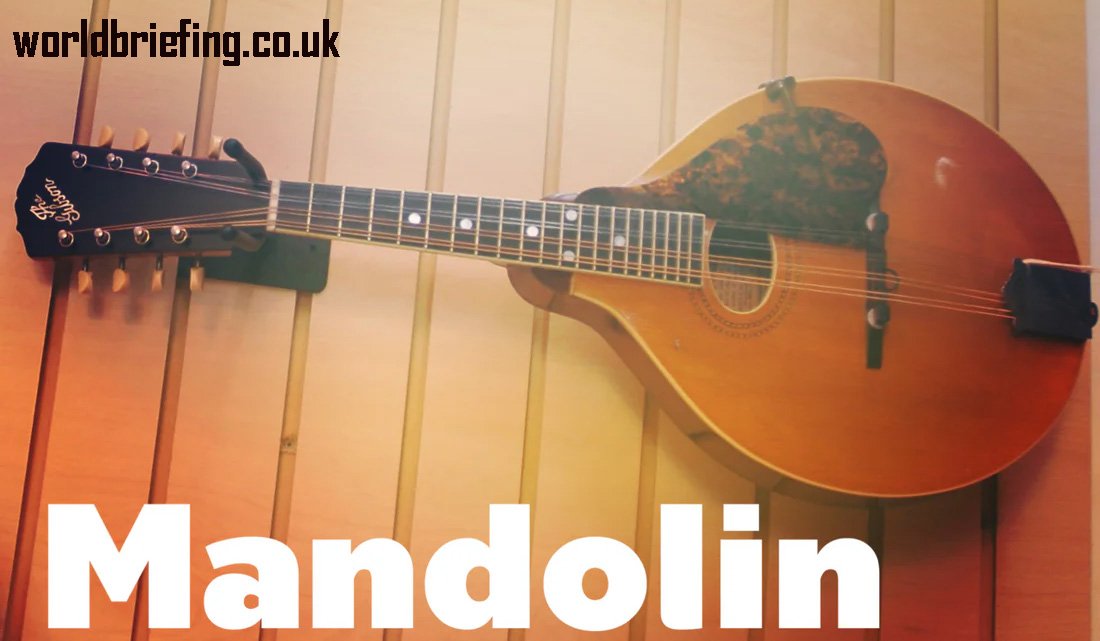
Few instruments possess the sparkling clarity and delicate charm of the mandolin. With its compact body, paired strings, and shimmering tone, it has traveled across centuries and continents, leaving its imprint on classical music, folk traditions, bluegrass, and even modern pop. Though often associated with pastoral imagery and lively picking patterns, the instrument carries a rich history and remarkable versatility that extends far beyond any single genre.
This comprehensive article explores the origins, construction, cultural impact, playing techniques, and modern relevance of the mandolin. Whether you are a music enthusiast, aspiring player, or simply curious about its history, understanding this instrument reveals why it continues to captivate audiences worldwide.
The Origins of the Mandolin
The mandolin traces its roots to Europe, particularly Italy, during the 17th and 18th centuries. It evolved from earlier lute-family instruments, which were popular throughout Renaissance and Baroque periods. These ancestors featured rounded backs and gut strings, offering a softer sound compared to today’s steel-stringed versions.
The modern Neapolitan style emerged in Naples during the 18th century. Instrument makers refined the design, creating a bowl-backed body and tuning it in fifths, similar to the violin. This tuning system allowed for melodic agility and technical precision, which helped it gain popularity in classical compositions.
Over time, variations spread across Europe and eventually reached North America. As musical traditions diversified, so too did the design and function of the mandolin.
Construction and Design of the Mandolin
Understanding how a mandolin is built helps explain its distinctive tone.
Body Shape
Traditional Italian versions feature a rounded, bowl-shaped back composed of wooden ribs. In contrast, American designs—especially those developed in the late 19th and early 20th centuries—often use carved tops and backs similar to violins.
Strings and Tuning
The instrument typically has eight strings arranged in four pairs, known as courses. Each pair is tuned to the same pitch:
- G
- D
- A
- E
This tuning mirrors the violin, making it accessible to violinists seeking a new challenge.
Frets and Fingerboard
A fretted fingerboard allows players to achieve precise pitch control. The short scale length contributes to the bright, crisp sound that distinguishes the instrument from guitars or lutes.
These design elements collectively produce the sparkling resonance associated with the mandolin.
Mandolin in Classical Music
Though often linked with folk traditions, the mandolin has a significant presence in classical repertoire. During the Baroque and Classical periods, composers wrote specifically for it.
Antonio Vivaldi composed concertos featuring the instrument, showcasing its lyrical capabilities. Ludwig van Beethoven also wrote pieces incorporating its delicate tonal qualities.
In orchestral settings, it often adds shimmering texture rather than dominant volume. Its tremolo technique—rapid repetition of a single note—sustains sound in a way that compensates for its natural short decay.
Even today, classical ensembles occasionally include it for its expressive color.
The Mandolin in American Folk Traditions
When immigrants brought the instrument to the United States, it found fertile ground in emerging musical styles. By the late 19th century, mandolin orchestras flourished across the country. These ensembles featured various sizes of mandolin-family instruments, similar to the violin family in classical orchestras.
As American folk music developed, the instrument integrated seamlessly into regional traditions.
Bluegrass Influence
Perhaps no genre is more associated with the mandolin than bluegrass. Musicians developed a percussive, rhythmic playing style characterized by rapid picking and “chop” chords that provide rhythmic accents.
The instrument’s bright tone cuts through banjos, fiddles, and guitars, making it ideal for ensemble performance.
Old-Time and Appalachian Music
In Appalachian traditions, it contributes melodic lines and rhythmic backing. Its portability made it practical for traveling musicians and community gatherings.
These traditions cemented its place in American roots music.
Techniques Unique to the Mandolin
The mandolin requires specialized techniques that distinguish it from other stringed instruments.
Tremolo
Because its notes decay quickly, players use tremolo—rapid alternate picking—to sustain sound. This creates a smooth, flowing effect, especially in slower melodies.
Double Stops
Playing two strings simultaneously adds harmony and richness.
Crosspicking
This intricate technique involves alternating strings in a rolling pattern, producing a cascading sound often heard in bluegrass.
Chop Chords
Rhythmic “chop” chords involve muting strings immediately after striking them, creating a snappy percussive effect.
Mastering these techniques requires precision and practice but rewards players with dynamic expression.
Variations of the Mandolin
Over time, several variations have developed.
Neapolitan Style
Characterized by a bowl back and ornate design, this traditional form emphasizes classical aesthetics.
F-Style
Popular in bluegrass, the F-style features decorative scrolls and points. Its carved top enhances projection.
A-Style
Simpler in appearance, the A-style offers similar tonal qualities without ornate embellishments.
Electric Versions
Modern electric mandolins expand tonal possibilities, allowing players to experiment with amplification and effects.
Each variation reflects evolving musical demands and artistic preferences.
Cultural Significance of the Mandolin
Beyond its musical contributions, the mandolin holds cultural symbolism.
In Italy, it represents romantic serenades and Mediterranean heritage. In American Appalachia, it symbolizes community gatherings and storytelling traditions. In Irish folk music, it adds rhythmic drive to reels and jigs.
Its adaptability across cultures demonstrates its universal appeal.
Learning to Play the Mandolin
For beginners, the man dolin can be both accessible and challenging.
Advantages for Beginners
- Small size and lightweight design
- Logical tuning system
- Clear, bright tone
Challenges
- Close string spacing requires precision
- Paired strings demand strong finger pressure
- Tremolo technique takes time to master
Learning resources are widely available, including online tutorials, instructional books, and community workshops.
Consistent practice and patience lead to rewarding progress.
Mandolin in Modern Music
While rooted in tradition, the man dolin continues to evolve.
Contemporary artists incorporate it into:
- Indie folk
- Alternative rock
- Country-pop
- Film soundtracks
Its unique timbre adds emotional texture and authenticity to modern recordings.
Electric versions expand creative possibilities, enabling experimentation with distortion, reverb, and looping effects.
This adaptability ensures its continued relevance.
Craftsmanship and Luthiery
The art of building a mandolin requires skill and attention to detail.
Luthiers carefully select tonewoods such as:
- Spruce for the top
- Maple for the back and sides
- Ebony for the fingerboard
The carving process influences resonance and sustain. Handcrafted instruments often command higher prices due to superior craftsmanship.
Maintaining quality construction ensures tonal excellence and longevity.
The Mandolin’s Role in Ensemble Settings
In group performances, the mandolin serves multiple functions:
- Melody instrument
- Harmonic support
- Rhythmic accent
Its high register allows it to complement lower-pitched instruments without overwhelming them.
Whether in orchestras, folk bands, or contemporary ensembles, it adds brightness and clarity.
Caring for a Mandolin
Proper care extends the life of any instrument.
Maintenance Tips
- Store in a protective case
- Avoid extreme temperature changes
- Replace strings regularly
- Clean the fingerboard periodically
Humidity control is especially important, as wood can warp or crack in extreme conditions.
Regular maintenance preserves sound quality and structural integrity.
Why the Mandolin Endures
Several factors contribute to the enduring popularity of the mandolin:
- Portability
- Versatility across genres
- Distinct tonal identity
- Rich historical background
- Accessibility for learners
Its combination of tradition and adaptability makes it timeless.
The Emotional Appeal of the Mandolin
Music often evokes emotion, and the mandolin excels in this regard.
Its bright yet tender sound can convey joy, nostalgia, and longing. Rapid picking patterns energize lively tunes, while tremolo passages create heartfelt ballads.
Listeners often associate its sound with storytelling and communal experiences.
This emotional resonance deepens its impact.
Conclusion: Celebrating the Legacy of the Mandolin
The mandolin stands as a testament to the enduring power of musical innovation and cultural exchange. From its European origins to its prominent role in American folk traditions and modern genres, it continues to inspire musicians and audiences alike.
Its compact design belies its expressive range. Whether played in a classical concerto, a bluegrass jam session, or an indie recording studio, it retains its unmistakable voice.
As musical landscapes evolve, the mandolin adapts without losing its essence. Its shimmering tone bridges centuries and cultures, reminding us that music, at its core, is about connection.
In celebrating this remarkable instrument, we honor not only its craftsmanship and history but also the countless musicians who have shaped its journey. The mandolin remains a bright thread woven into the global tapestry of sound—a small instrument with a mighty and enduring legacy.
