


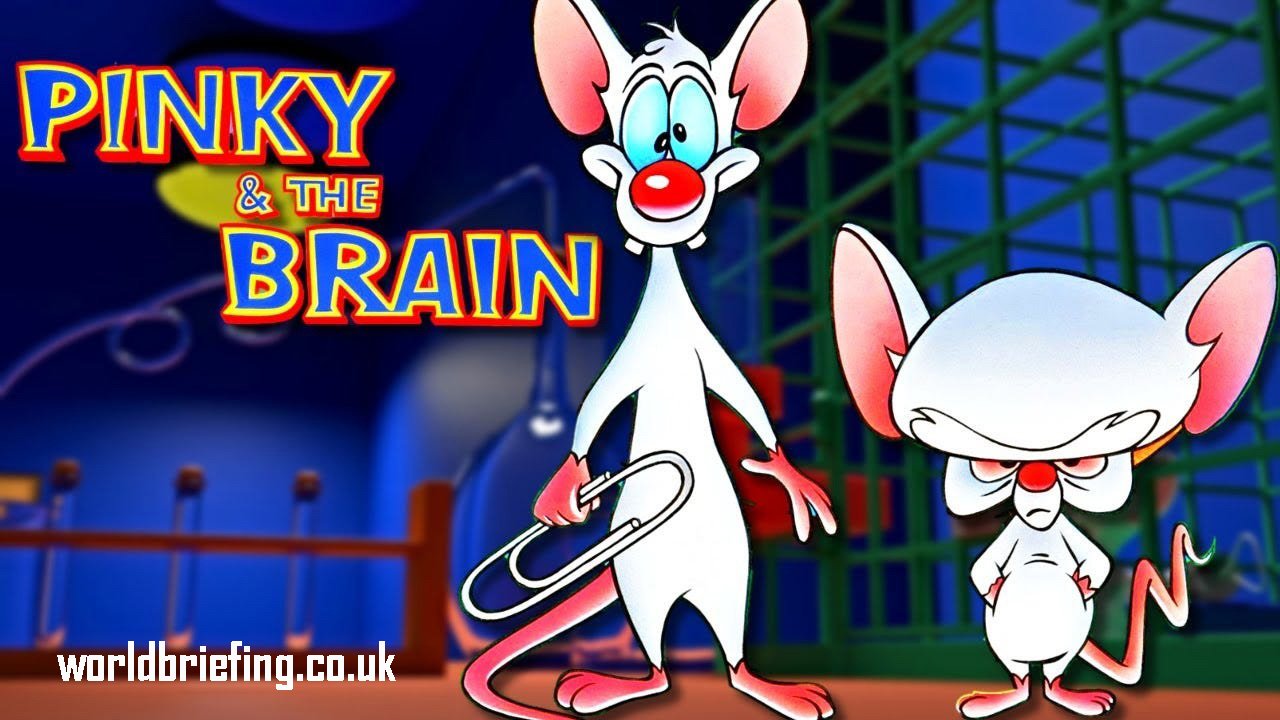
Few animated television shows have achieved the timeless appeal and cultural longevity of Pinky and the Brain. Combining intelligent satire, unforgettable humor, and memorable characters, the series remains one of the most beloved animated comedies ever created. Its clever writing appealed to both children and adults, making it a rare example of animation that successfully crossed generational boundaries.
From its beginnings as a segment within another famous cartoon to becoming a standalone hit series, Pinky and the Brain transformed into a pop-culture phenomenon. The show blended science fiction, slapstick comedy, and philosophical humor while repeatedly asking one iconic question: What are we going to do tonight?
This in-depth article explores the origins, characters, themes, production history, cultural significance, revival, and enduring legacy of Pinky and the Brain.
Origins of Pinky and the Brain
The characters first appeared as recurring segments on Animaniacs, produced by Warner Bros. Animation.
Created by animation legend Tom Ruegger, the duo quickly became fan favorites due to their unique dynamic: one genius mouse obsessed with world domination and one lovable but dim-witted companion.
Their popularity led to a spin-off series titled Pinky and the Brain, which premiered in 1995 and ran for multiple seasons.
The Premise: A Plan for World Domination
The central concept of Pinky and the Brain is deceptively simple.
Every night, two laboratory mice attempt to conquer the world.
- Brain – a hyper-intelligent strategist convinced he is destined to rule humanity.
- Pinky – a cheerful, unpredictable companion whose misunderstandings often derail the plans.
Despite repeated failure, Brain never loses confidence, and Pinky never loses enthusiasm.
This repetitive structure became one of television’s most recognizable comedic formulas.
Character Analysis: Brain
Brain serves as the intellectual center of the show.
Personality Traits
- Highly intelligent
- Ambitious and calculating
- Dramatic and theatrical
- Prone to overconfidence
He views himself as humanity’s savior, believing global control would eliminate chaos and inefficiency.
Ironically, Brain’s greatest weakness is not Pinky — it is his own ego.
Comic Irony
Although Brain considers himself a genius, his plans often fail because they are unnecessarily complex. The show humorously suggests that intelligence without humility can lead to failure.
Character Analysis: Pinky
Pinky appears naive but plays an essential role in the duo’s relationship.
Key Characteristics
- Kindhearted optimism
- Random creativity
- Emotional intelligence
- Unpredictable thinking
While Brain represents logic and control, Pinky symbolizes imagination and spontaneity.
Many fans interpret Pinky as secretly wiser than Brain because his unconventional thinking sometimes reveals truths Brain overlooks.
The Famous Catchphrase
One of the show’s most iconic exchanges occurs at the start of nearly every episode:
“Gee, Brain, what do you want to do tonight?”
“The same thing we do every night, Pinky — try to take over the world!”
This repeated dialogue became instantly recognizable worldwide, turning the show into a cultural staple.
Creative Influences Behind the Series
The success of Pinky and the Brain stems from its blend of multiple comedic traditions.
Classic Cartoon Comedy
The physical humor recalls earlier animation styles such as Looney Tunes, known for exaggerated reactions and visual gags.
Science Fiction Inspiration
Episodes frequently parody classic sci-fi tropes involving laboratories, experiments, and futuristic inventions.
Political Satire
Many storylines humorously critique bureaucracy, government systems, and human ambition.
Writing Style and Humor
Unlike many children’s cartoons, Pinky and the Brain featured layered humor.
Types of Comedy Used
- Wordplay and puns
- Cultural references
- Historical satire
- Musical parody
- Absurdist comedy
Writers intentionally included jokes that adults would appreciate while maintaining accessibility for younger audiences.
Voice Acting Excellence
The personalities of Pinky and Brain were elevated by outstanding voice performances.
- Maurice LaMarche voiced Brain with dramatic intensity inspired by classic film actors.
- Rob Paulsen portrayed Pinky with energetic innocence and comedic timing.
Their chemistry became central to the show’s success.
Animation Style and Visual Identity
The show maintained the colorful, expressive animation style associated with Warner Bros. productions of the 1990s.
Distinctive elements included:
- Exaggerated facial expressions
- Fast comedic pacing
- Creative visual storytelling
- Musical sequences
Despite limited settings — often a laboratory — episodes felt imaginative and expansive.
Themes Explored in Pinky and the Brain
Ambition vs Reality
Brain’s endless attempts symbolize human ambition and the desire for control.
Friendship
Despite constant frustration, Brain and Pinky remain loyal partners.
Intelligence vs Wisdom
The show questions whether intelligence alone guarantees success.
Failure as Comedy
Each failed plan reinforces resilience and persistence.
Cultural References and Parodies
Pinky and the Brain became famous for parodying historical events and pop culture.
Episodes referenced:
- Hollywood films
- Famous scientists
- Political leaders
- Historical eras
This approach transformed the cartoon into an educational experience disguised as comedy.
Musical Episodes and Creativity
Music played a major role in many episodes.
Songs parodied:
- Broadway musicals
- Classic cinema soundtracks
- Educational jingles
These musical moments showcased the creativity of the writing team and strengthened audience engagement.
Success and Awards
The series achieved critical acclaim and won several major animation awards.
Its recognition included multiple Daytime Emmy Awards, highlighting excellence in writing, voice acting, and animation.
Critics praised the show for raising the intellectual standard of children’s television.
Transition From Spin-Off to Icon
Although originally part of Animaniacs, Pinky and the Brain quickly developed an identity strong enough to stand independently.
The show proved that supporting characters could become global stars when given deeper storytelling and character development.
Pinky and the Brain in Popular Culture
Even decades after its original broadcast, references to Pinky and the Brain continue to appear across media.
The characters have influenced:
- Internet memes
- Comedy sketches
- Animated series
- Fan conventions
Their catchphrases remain instantly recognizable.
Psychological Interpretations
Fans and critics often analyze Pinky and the Brain through deeper psychological lenses.
Some interpretations suggest:
- Brain represents obsessive ambition.
- Pinky embodies emotional balance.
- Their partnership symbolizes the human mind’s logical and creative halves.
This layered storytelling explains why adults continue appreciating the show long after childhood.
The 2020 Revival
The characters returned in the reboot of Animaniacs (2020 reboot).
The revival introduced Pinky and Brain to a new generation while maintaining the humor and satire that defined the original.
Modern episodes addressed contemporary issues such as technology, social media, and modern politics.
Why Pinky and the Brain Endures
Several factors explain the show’s lasting appeal:
Timeless Humor
The comedy relies on character interaction rather than temporary trends.
Memorable Characters
The contrast between genius and innocence creates endless storytelling possibilities.
Universal Themes
Ambition, friendship, and failure resonate across cultures.
Lessons Hidden Within the Comedy
Although primarily comedic, Pinky and the Brain delivers subtle life lessons.
Persistence Matters
Brain never gives up despite constant failure.
Friendship Is Essential
Pinky’s loyalty prevents Brain from total isolation.
Perfection Is Impossible
Even brilliant plans can collapse.
Humor Helps Survival
Comedy turns defeat into motivation.
Influence on Modern Animation
Many later animated shows adopted Pinky and the Brain’s formula of combining intelligent writing with absurd humor.
Its influence can be seen in:
- Meta humor storytelling
- Adult-friendly children’s animation
- Character-driven comedy formats
The show helped redefine expectations for animated television writing.
Fan Community and Legacy
Fans continue celebrating the series through:
- Online discussions
- Fan art
- Streaming rediscovery
- Convention panels
The show’s legacy thrives because audiences continually rediscover its humor and intelligence.
The Symbolism of World Domination
Brain’s goal of ruling the world serves as satire.
Rather than glorifying power, the show highlights:
- The absurdity of control
- The unpredictability of life
- The limitations of intellect
Each failed attempt reinforces humility.
Educational Value of the Series
Teachers and parents have noted that Pinky and the Brain encourages curiosity.
Episodes introduce viewers to:
- Scientific ideas
- Historical references
- Vocabulary expansion
- Creative thinking
Entertainment and learning coexist seamlessly.
Pinky and Brain as Opposites
Their relationship mirrors classic comedic duos throughout history:
The balance between opposites drives both humor and emotional depth.
Modern Relevance
In an age of rapid technological advancement and global uncertainty, Pinky and the Brain feels surprisingly relevant.
Brain’s obsession with control reflects modern anxieties about technology and power, while Pinky reminds audiences of joy, kindness, and creativity.
Conclusion
Pinky and the Brain remains one of animation’s greatest achievements — a show that combined clever writing, unforgettable characters, and timeless humor. What began as a segment within Animaniacs evolved into a cultural icon beloved across generations.
Through endless attempts at world domination, the duo taught audiences about friendship, resilience, and the humorous side of ambition. Brain’s genius and Pinky’s innocence created a partnership that continues to entertain viewers decades later.
Whether watched for nostalgia or discovered for the first time, Pinky and the Brain proves that great storytelling never loses relevance. Night after night, their mission continues — not necessarily to conquer the world, but to capture the hearts and imaginations of audiences everywhere.
